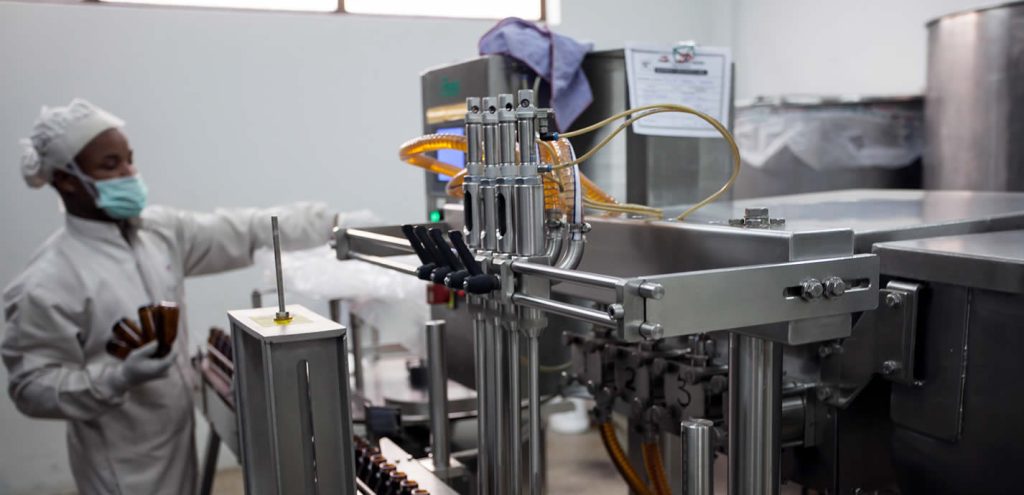

For manufacturers, logistics is not just about moving goods from one place to another. It is deeply connected to production schedules, customer commitments, and overall profitability. When raw materials arrive late or finished goods get stuck at the port, the impact is felt across the entire operation.
This is why freight and forwarding plays such an important role for manufacturers and producers who import raw materials, components, or machinery and export finished goods. Customs rules are often complex, documentation requirements can change, and port congestion can add unexpected delays.
In this article, we’ll break down what freight and forwarding really means for manufacturers, the common challenges that disrupt supply chains, and practical ways to reduce delays and risks.
Why Logistics Is Critical for Manufacturers
Manufacturing depends on timing. Raw materials must arrive before production starts, and finished goods must leave on schedule to meet customer demand.
When logistics fail, manufacturers face:
- Production downtime due to missing inputs
- Higher costs from urgent shipping or storage fees
- Missed delivery deadlines to customers
- Compliance risks leading to fines or penalties
Understanding Freight and Forwarding in Manufacturing
Freight and forwarding refers to the planning, coordination, and execution of moving goods across borders. For manufacturers, this includes both imports and exports.
On the import side
- Importing raw materials, components, or machinery
- Accurate customs clearance
- Coordinated transport to factories or warehouses
If everybody seems to be doing it one way, there might more opportunities to do it another way.
Logistics is not just about moving goods; it's about creating opportunities.
On the export side
- Preparing export documentation
- Meeting destination country regulations
- Delivering finished goods to customers
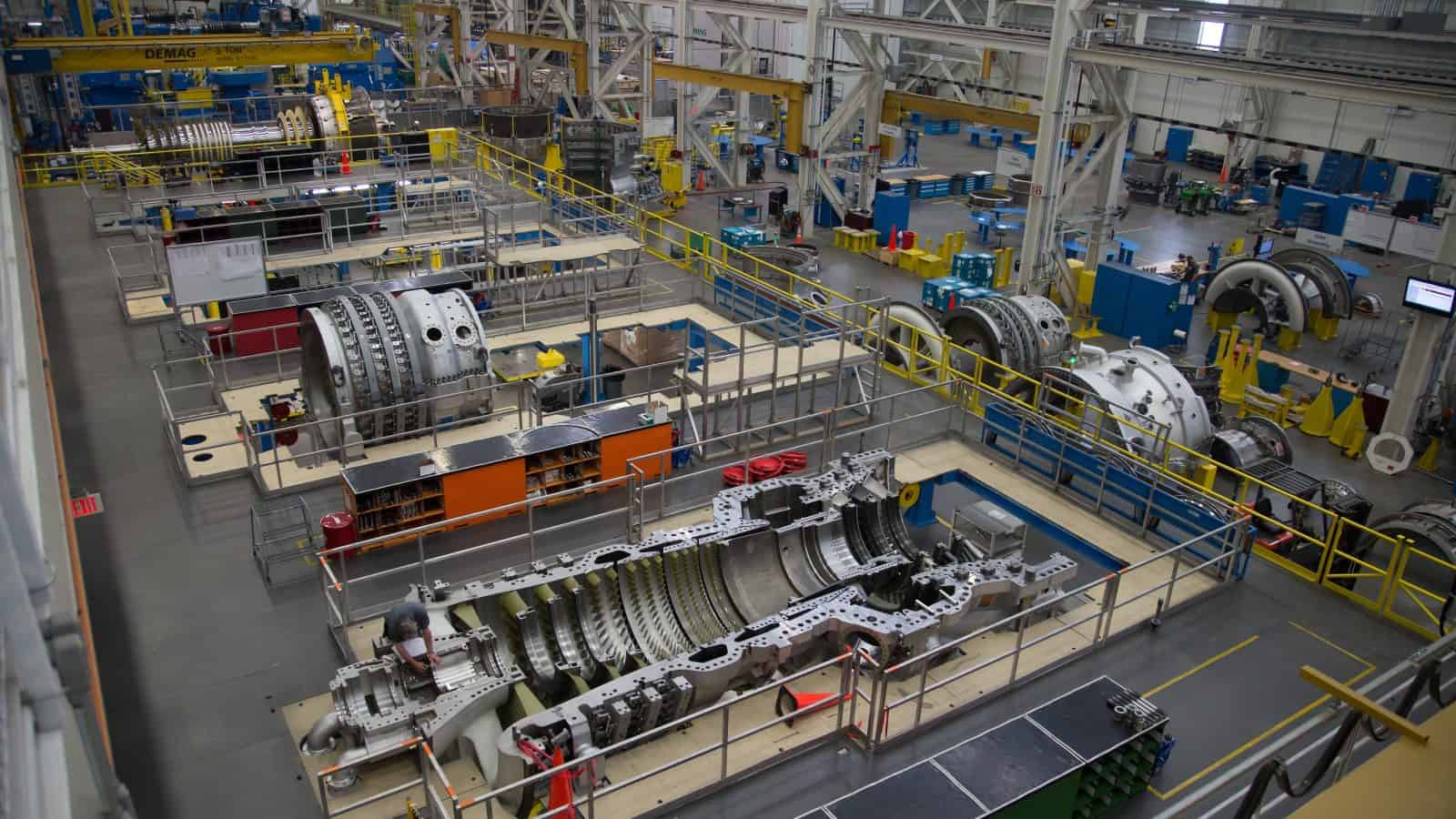

Common Challenges Manufacturers Face
- Complex customs regulations for industrial goods
- Incorrect or inconsistent documentation
- Misclassification of machinery or components
- Port congestion and long clearance times
- Poor coordination between clearance and transport
The Cost of Poor Coordination
Poor coordination between customs clearance and transportation creates delays and hidden costs.
- Goods clear customs but transport is unavailable
- Transport arrives before clearance is completed
- Warehouses are unprepared for delivery timing
How End-to-End Logistics Support Helps
End-to-end logistics support aligns customs, freight, and delivery into one coordinated process.
- Accurate documentation from the start
- Proper duty and tax management
- Full regulatory compliance
- Coordinated freight movement
- Real-time shipment visibility
Insight: Manufacturers gain better control over production schedules when logistics is managed as one connected system.
Practical Tips to Reduce Delays
- Prepare documentation early
- Standardize product descriptions and classifications
- Build realistic lead times
- Track shipments in real time
- Work with experienced logistics partners
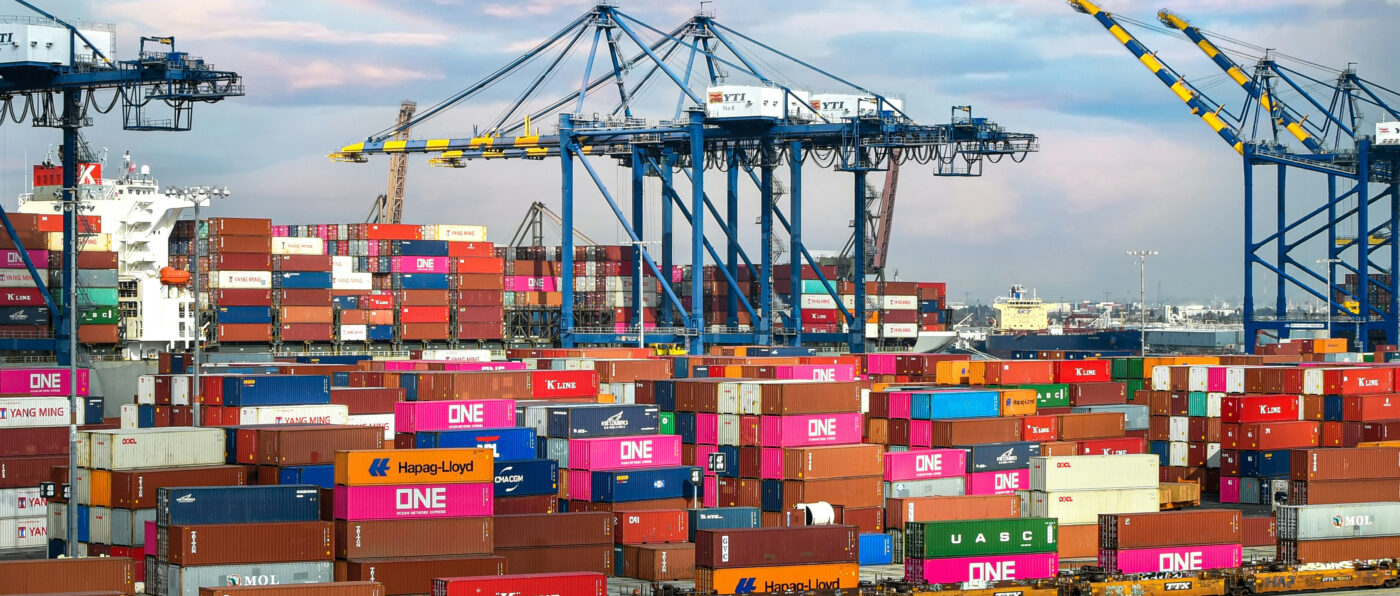
Conclusion: Keeping Manufacturing Supply Chains on Track
For manufacturers, logistics efficiency directly affects production and customer satisfaction. By improving planning, documentation, and coordination, and by working with a professional customs broker or freight forwarder, manufacturers can reduce delays and keep supply chains moving.
A smoother freight and forwarding process today protects operations and supports long-term growth tomorrow.

Join the conversation