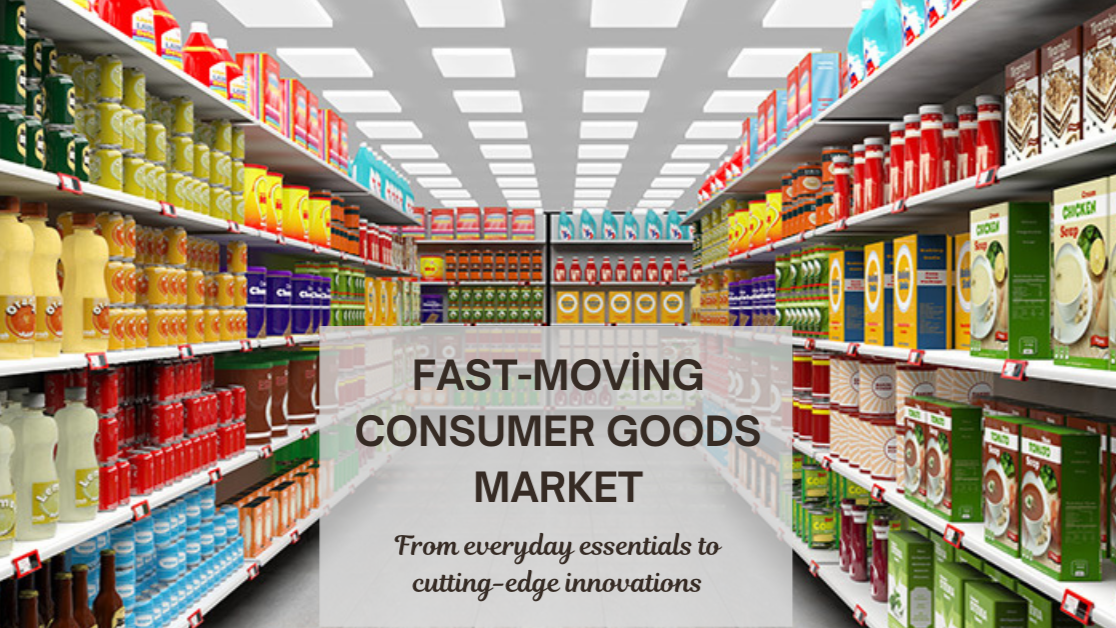

Fast-Moving Consumer Goods distributors live in a constant race against time. When products move quickly off shelves, even a short delay at the port can turn into empty aisles, unhappy retailers, and lost revenue. Yet many FMCG businesses still struggle with unpredictable import timelines, unclear customs processes, and last-minute surprises during clearance.
This is where the role of a clearing agent becomes critical. A clearing agent helps ensure that goods pass through customs smoothly and reach warehouses on schedule. For FMCG distributors, this isn’t just about paperwork. It’s about keeping inventory flowing, meeting market demand, and protecting brand relationships.
In this article, we’ll look at why delays happen so often in FMCG imports, how a clearing agent fits into the bigger logistics picture, and what practical steps distributors can take to improve reliability.
Why FMCG Imports Are Especially Sensitive to Delays
FMCG products are time-driven by nature. Many are high-volume, low-margin items that rely on speed and consistency to stay profitable.
When imports are delayed, the impact shows up fast:
- Retailers run out of stock
- Promotions fail due to missing products
- Competitors take shelf space
- Cash flow slows down
Unlike durable goods, FMCG items often can’t wait. Some products also have expiry dates, which makes delays even more costly.
Common Causes of Import Delays for FMCG Distributors
Some of the most common causes include:
- Incomplete or incorrect customs documentation
- Poor coordination between shipping, customs, and transport
- Late submission of clearance documents
- Unexpected inspections or regulatory checks
- Lack of visibility into shipment status
What a Clearing Agent Really Does
A clearing agent is responsible for guiding goods through the customs process. This includes preparing documents, submitting declarations, and ensuring compliance with import regulations.
Their role often covers:
- Customs declaration and processing
- Duty and tax calculation
- Regulatory compliance checks
- Coordination with customs authorities
- Supporting inspections and releases
Mindspace and shelfspace are the valuable currencies of FMCG industries. All other things being equal, the retailer will have an advantage because of their
Andi Dufreen, @transhub/facebook.com
In the fast-paced world of FMCG, every moment counts. Delays at any stage can ripple through the supply chain, affecting everything from inventory levels to customer satisfaction.
Practical Ways FMCG Distributors Can Improve Import Reliability
FMCG imports work best when customs clearance and freight coordination are aligned. End-to-end coordination helps avoid gaps by aligning arrival schedules, documentation, transport, and warehouse delivery.
- Plan clearance before arrival
- Use accurate and consistent product data
- Build buffer time into planning
- Improve shipment visibility
- Work with experienced partners

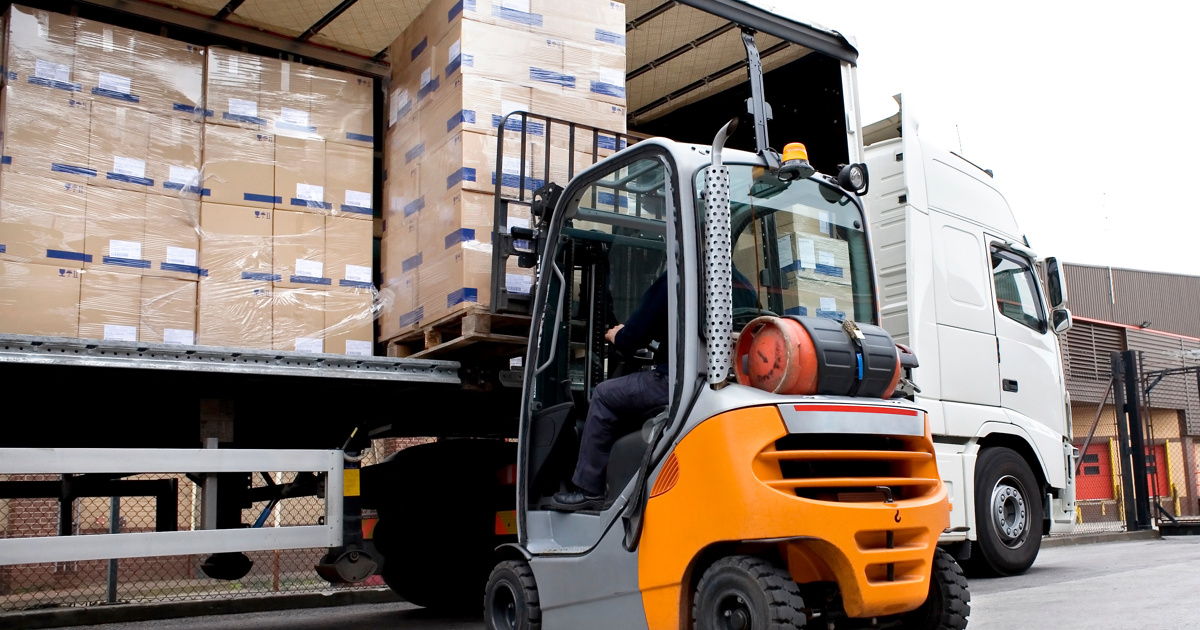
Why Real-Time Tracking Matters for FMCG Distributor
With real-time tracking, FMCG distributors can prepare warehouses ahead of arrival, inform retailers accurately, and reduce last-minute surprises.
Choosing the Right Clearing Agent for FMCG Imports
Not all clearing agents understand the pace and pressure of FMCG distribution. Look for experience, clear communication, end-to-end handling, and transparent pricing.
Conclusion: Keeping FMCG Shelves Full Starts at the Port
For FMCG distributors, reliable imports are the foundation of consistent sales. A dependable clearing agent, combined with coordinated freight handling, helps keep goods moving smoothly across borders.
Small improvements at the port can create big wins across the supply chain.
How a Customs Broker or Freight Forwarder Fits In
- Obligations of business it will frequently occur that pleasures.
- Ever undertakes laborious physical exercise, except to obtain advantage.
- Have to be repudiated and annoyances accepted.

Conclusion: Making Freight Forwarding Work for You
For importers of consumer goods, customs delays and fines are more than minor inconveniences. They affect sales, reputation, and profitability. Freight forwarding, when handled properly, removes much of the guesswork from cross-border shipping. By understanding common customs challenges, improving documentation practices, and working with experienced customs brokers or freight forwarders, importers can reduce delays and gain better control over their supply chain. Shipment visibility, regulatory compliance, and reliable coordination all play a role in keeping goods moving smoothly. If you’re looking to simplify your import process and reduce unnecessary stress, it may be worth exploring more resources or guidance on freight forwarding best practices. A clearer process today can save you time, money, and frustration on every shipment tomorrow.

Join the conversation